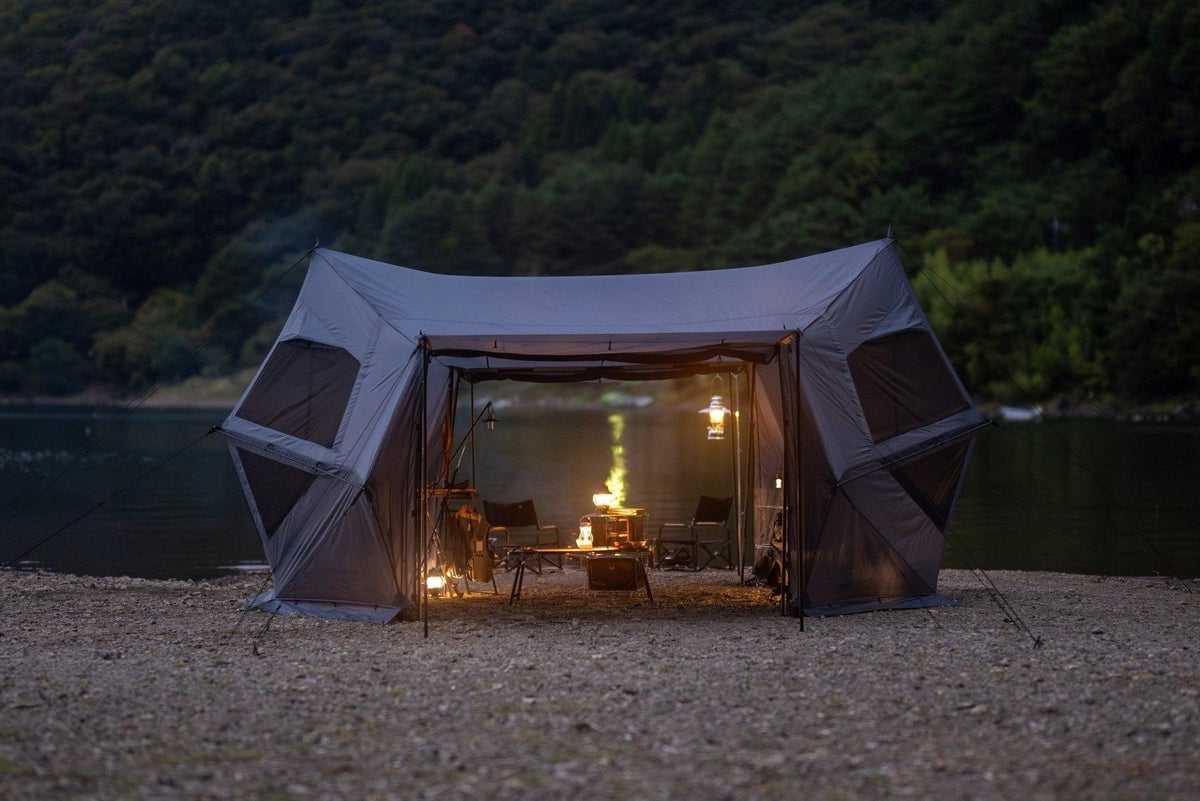
Popular Items in Peg Case (Peg Holder)

 ポイント10%
 ポイント15%
 ポイント10%ポイント15%
 ポイント10%ポイント15%
Peg Case (Peg Holder)
 ポイント10%ポイント15%
 ポイント10%ポイント15%
Do You Really Need a Peg Case? A Comprehensive Guide to Why You Need One and How to Choose!
Why You Need a Peg Case for Camping
Pegs are stakes driven into the ground to secure tents and tarps. They come in various materials, shapes, and lengths, and it’s common to choose the right one based on the ground conditions.
Depending on the size and shape of the tent or tarp you’re setting up, you’ll need at least several dozen pegs, so a “peg case” is essential when going camping.
- Can’t I just put the pegs in any old bag?
- "Is it really necessary to buy a special case?"
Some people might think this way.
However, a peg case isn’t just “an item for storing pegs.” There’s a big difference between having one and not having one.
Let me explain why a peg case is essential for camping!
Reason 1: It’s sturdy and won’t damage your camping gear
When it comes to tent pegs, in order of strength:
- Titanium
- Steel
- Aluminum
- Plastic
and so on.
Even plastic pegs, which are the least durable, have sharp tips, so storing them loose can be dangerous. If you just toss them into a plastic grocery bag, it will likely tear right away.
To safely store these sharp pegs, peg cases are generally designed with a sturdy, durable structure that won’t tear easily.
Not only does it keep your pegs organized, but it also prevents them from damaging other camping gear packed alongside them.
Reason 2: You can store hammers and ropes together
A peg case isn’t just a bag for haphazardly storing pegs.
Many models are designed to hold all the tools needed to set up a tent or tarp—such as pegs, hammers, and ropes—in one place.
There is a wide range of highly functional products available, featuring dividers and storage pockets, as well as loops on the outside for hanging carabiners and small items.
Reason 3: Easy to carry and helps prevent loss
Storing all your pegging tools together in a peg case makes them easy to carry to the campsite and allows for a speedy cleanup when packing up.
Another benefit is that it helps prevent losing pegs compared to storing them haphazardly.
Reason 4: You can store washed pegs after cleanup
Since pegs get dirty with mud and other debris after use, many people wash them with water to remove the dirt and let them dry before putting them away.
However, it takes time for pegs to dry completely. A peg case made of a material that allows you to store wet pegs as-is saves time and is convenient.
Some products feature thoughtful designs, such as cases made of breathable mesh to prevent moisture from pooling at the bottom, or those with a double-bottom structure that allows you to place a towel or rag inside.
Choosing such products will prevent water from dripping after washing the pegs and allow them to dry while you’re on the move.
Key Considerations When Choosing a Peg Case
With so many variations in type, size, and material, here are some key points to consider when choosing a peg case.
Point 1: Choose Based on Shape
Peg cases come in a variety of shapes.
-Container Cases
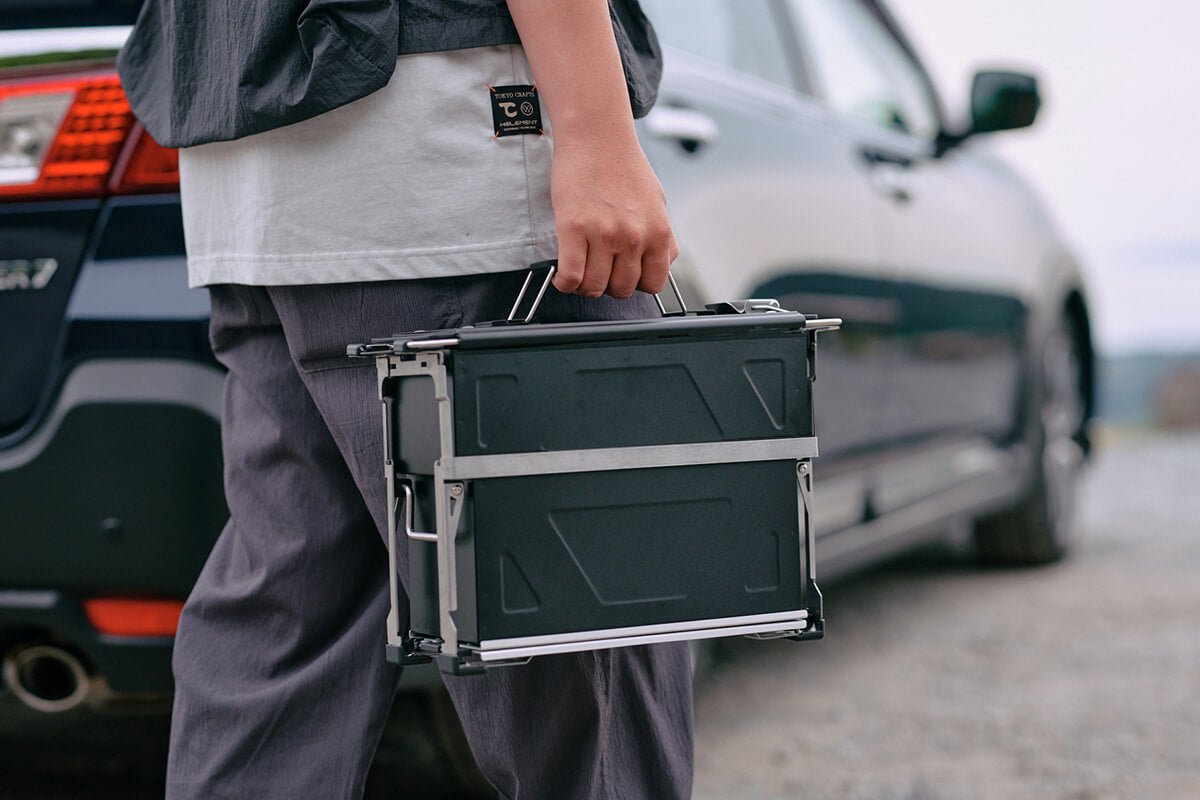
A container case is a box-shaped storage item, ideal for those who want to carry a large number of pegs. If made of metal such as stainless steel or steel, you can rest assured that it will withstand impacts from drops or the shaking of a vehicle.
Additionally, their sturdy construction on the bottom and sides prevents them from losing their shape, and since they can be placed directly on the ground, they’re convenient during setup.
With container cases, be sure to check the design of the access opening. If you have a large number of pegs, a flap-style opening that is wide and easy to open will make it easier to take pegs out and put them away.
-Pouch Cases
If you don’t have many pegs, a pouch case allows for neat and organized storage. Many of these come in stylish designs—some feature brand logos, while others avoid the bulky, utilitarian look typically associated with peg cases.
These are perfect for solo camping or touring trips where you only need a few tent stakes.
-Roll-up Case
When you open the fabric case, you’ll find numerous loops for inserting the pegs, allowing you to store them one by one.
Since the storage capacity is fixed, it’s easy to keep track of your pegs, and the biggest advantage is that you’ll notice immediately if even one goes missing.
Once the pegs are inserted, you can roll up the base fabric to make it compact and easy to carry. Some models even have a compartment for storing a peg hammer.
-Wearable Cases
If the fabric peg case has a strap, you can wear it on your body like a pouch or waist bag.
With this type, you can carry your pegs while simultaneously driving them into the ground, making your work go more smoothly. When breaking camp, you can quickly stow the pegs in the case as you pull them out.
When choosing one, be sure to check its storage capacity for gear other than pegs. Models that allow you to organize and store carabiners and guy lines separately, or those with loops for a hammer, will be even more convenient.
Point 2: Choose a size that matches your peg length
Pegs generally come in three standard lengths: 20 cm, 30 cm, and 40 cm or longer. Choose a peg case that matches the length of the pegs you use.
With a container-style case, you can store pegs of different lengths together as long as they fit within the case’s width. For pouch-style or roll-up cases, however, you won’t be able to store them if the case isn’t long enough, so be sure to check the size.
Point 3: Check the Material
Peg cases come in several materials, each with different characteristics. Understand the differences before choosing the one that best suits your needs.
-Lightweight and durable “polyester and canvas”
- "I don’t use that many pegs..."
- "I want something as lightweight and easy to carry as possible..."
For people like this, the best choice is a type made from fabric such as polyester or canvas.
Since the fabric is soft, it doesn’t make a rattling noise when you carry the pegs. Another advantage is that it won’t damage your other gear when packing your camping equipment.
When choosing a peg case made of polyester or canvas, be sure to check its durability, water resistance, and stain resistance. Cases with reinforced plates on the bottom (where the peg tips rest) or sides, or those made of thick fabric, offer greater strength.
However, thick canvas tends to absorb dirt easily and is difficult to wash, so if you’re concerned about stains, we recommend products treated with wax for water repellency and stain resistance. If you choose a washable polyester model, you won’t have to worry about mud from the pegs transferring to the fabric.
-For Durability: "Metal or Resin"
Metal and resin peg cases offer the advantage of high durability. Unlike fabric cases, there is no risk of tearing or developing holes from the tips of the pegs.
They’re also easier to handle than fabric cases and can be washed immediately if they get dirty with mud or soil. However, steel cases are prone to rust, so be sure to dry them completely after washing. Storing wet pegs as is is a no-no.
Leaving a metal peg case outside the tent can cause it to get wet from sudden rain or night dew, leading to rust, so be sure to store it inside the tent.
If there is empty space inside the case, the pegs may rattle around during transport. We recommend placing a towel on top or taking other measures to keep them from moving.
Point 4: Weight and portability are also important
You probably won’t be carrying your peg case over long distances. However, the lighter the case itself, the easier it is to carry.
If you’re traveling by car, weight isn’t much of an issue, but if you’re camping by motorcycle or bicycle, a heavy peg case can be inconvenient. When purchasing, be sure to check the weight of the peg case itself.
Portability is also key. With container-style cases, like toolboxes, if the lid has a carrying handle, it can be difficult to carry the case with the lid open.
If the case has a handle on the body itself, you can carry it even with the lid open, making it easier to move around.
For pouch-style cases that can be worn on your body, we recommend ones that allow you to attach a strap to your waist or wear them crossbody, with adjustable lengths.
TOKYO CRAFTS’ Peg Case “Air Dry Peg Case”
The "Air Dry Peg Case," developed by TOKYO CRAFTS, features thoughtful design elements throughout to ensure ease of use.
The body is made of mesh material, which allows for good airflow and helps prevent rust on metal pegs.
Additionally, the case features a double-layered bottom, so you can place a towel or rag inside the bottom compartment and store your pegs there after washing them. This absorbs water droplets and allows the pegs to dry while you’re on the move.
Of course, since it uses mesh and waterproof fabric, you can even wash the entire case—with pegs covered in sand or mud still inside—by simply spraying it with water, keeping everything clean.
The case opens wide, making it easy to take pegs and peg hammers in and out! Even when fully open, the handles on the sides make it easy to carry.
There are tape loops on both sides of the case, making it convenient for attaching small items like carabiners. It features a simple, stylish all-black design.
A peg case that protects your valuable gear. We recommend this well-designed, user-friendly peg case!
A durable and practical peg case not only prevents pegs from getting lost or damaged but also protects other gear packed alongside them.
With a peg case designed with attention to detail—such as being washable with the pegs still inside and featuring a handle that allows you to carry it while keeping the opening open—setting up and taking down your tent will be a breeze!
Using the points we’ve covered here as a guide, be sure to choose the perfect peg case for you.
RANKING
ランキング一覧へ ポイント10%ポイント15%
 ポイント10%ポイント15%
 ポイント10%ポイント15%
 ポイント10%ポイント15%
 ポイント10%ポイント15%
 ポイント10%ポイント15%
 ポイント10%ポイント15%
ポイント10%ポイント15%
ポイント10%ポイント15% ポイント10%ポイント15%
ポイント10%ポイント15%
ポイント10%ポイント15%


 ポイント10%ポイント15%
 ポイント10%ポイント15%
 ポイント10%ポイント15%
 ポイント10%ポイント15%
 ポイント10%ポイント15%
 ポイント10%ポイント15%
ポイント10%ポイント15%
ポイント10%ポイント15%
ポイント10%ポイント15%
ポイント10%ポイント15%
ポイント10%ポイント15%
ポイント10%ポイント15% ポイント10%ポイント15%
 ポイント10%ポイント15%
 ポイント10%ポイント15%
 ポイント10%ポイント15%
ポイント10%ポイント15%
ポイント10%ポイント15% ポイント10%ポイント15%
 ポイント10%ポイント15%
ポイント10%ポイント15%
ポイント10%ポイント15%
ポイント10%ポイント15%
ポイント10%ポイント15%
 ポイント10%ポイント15%
ポイント10%ポイント15%
ポイント10%ポイント15%
ポイント10%ポイント15%
ポイント10%ポイント15% ポイント10%ポイント15%
 ポイント10%ポイント15%
 ポイント10%ポイント15%
ポイント10%ポイント15%
ポイント10%ポイント15% ポイント10%ポイント15%
 ポイント10%ポイント15%
 ポイント10%ポイント15%
 ポイント10%ポイント15%
ポイント10%ポイント15%
ポイント10%ポイント15% ポイント10%ポイント15%
SEE MORE (その他オススメ商品)
ポイント10%ポイント15% ポイント10%ポイント15%
ポイント10%ポイント15%
ポイント10%ポイント15%