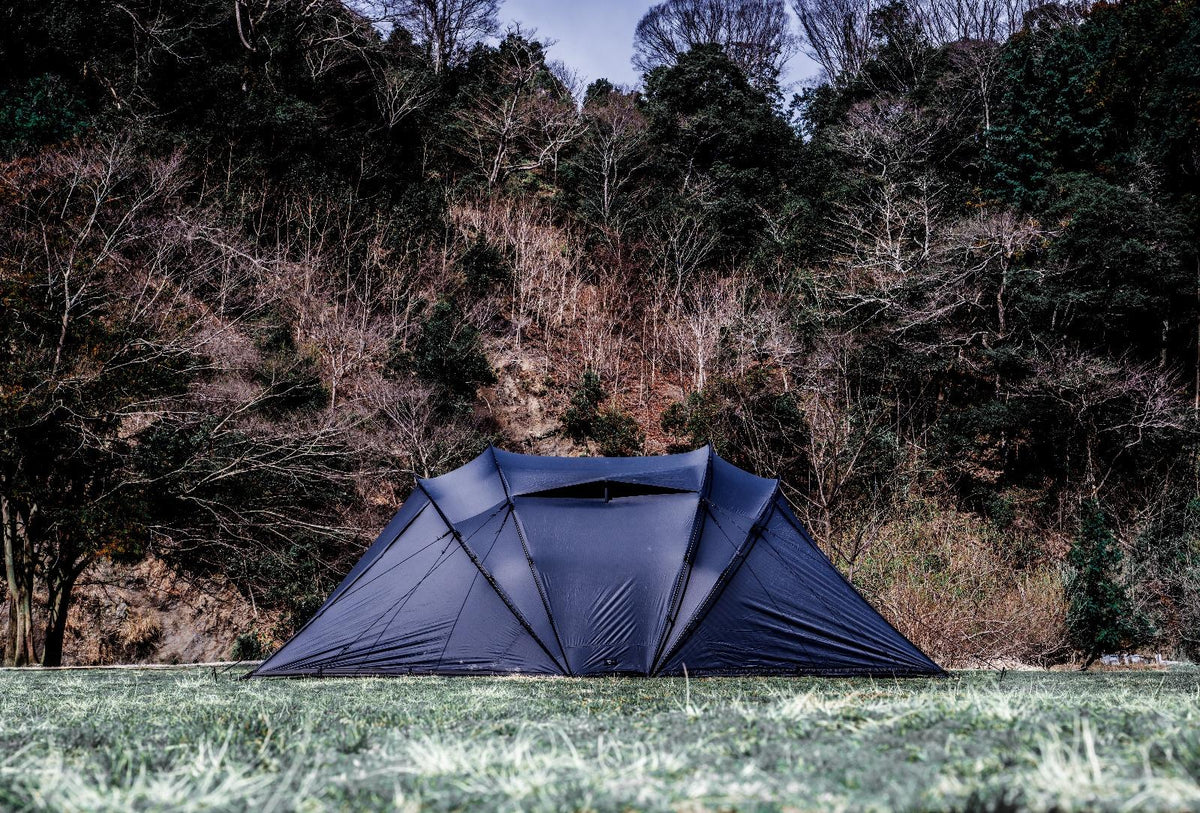
Popular Items in Winter Camping Tent

 ポイント10%
 ポイント15%
 ポイント10%ポイント15%
 ポイント10%ポイント15%
 ポイント10%ポイント15%
 ポイント10%ポイント15%
Winter Camping Tent
 ポイント10%ポイント15%
 ポイント10%ポイント15%
ポイント10%ポイント15%
ポイント10%ポイント15% ポイント10%ポイント15%
 ポイント10%ポイント15%
 ポイント10%ポイント15%
 ポイント10%ポイント15%
 ポイント10%ポイント15%
ポイント10%ポイント15%
ポイント10%ポイント15% ポイント10%ポイント15%
 ポイント10%ポイント15%
 ポイント10%ポイント15%
 ポイント10%ポイント15%
 ポイント10%ポイント15%
 ポイント10%ポイント15%
 ポイント10%ポイント15%
 ポイント10%ポイント15%
ポイント10%ポイント15%
ポイント10%ポイント15%
 ポイント10%ポイント15%
 ポイント10%ポイント15%
 ポイント10%ポイント15%
 ポイント10%ポイント15%
 ポイント10%ポイント15%
 ポイント10%ポイント15%
 ポイント10%ポイント15%
 ポイント10%ポイント15%
 ポイント10%ポイント15%
 ポイント10%ポイント15%
 ポイント10%ポイント15%
 ポイント10%ポイント15%
 ポイント10%ポイント15%
 ポイント10%ポイント15%
 ポイント10%ポイント15%
 ポイント10%ポイント15%
 ポイント10%ポイント15%
 ポイント10%ポイント15%
 ポイント10%ポイント15%
 ポイント10%ポイント15%
 ポイント10%ポイント15%
 ポイント10%ポイント15%
 ポイント10%ポイント15%
 ポイント10%ポイント15%
 ポイント10%ポイント15%
 ポイント10%ポイント15%
 ポイント10%ポイント15%
 ポイント10%ポイント15%
 ポイント10%ポイント15%
 ポイント10%ポイント15%
 ポイント10%ポイント15%
 ポイント10%ポイント15%
 ポイント10%ポイント15%
 ポイント10%ポイント15%
 ポイント10%ポイント15%
 ポイント10%ポイント15%
 ポイント10%ポイント15%
 ポイント10%ポイント15%
ポイント10%ポイント15%
ポイント10%ポイント15% ポイント10%ポイント15%
 ポイント10%ポイント15%
 ポイント10%ポイント15%
 ポイント10%ポイント15%
 ポイント10%ポイント15%
 ポイント10%ポイント15%
 ポイント10%ポイント15%
 ポイント10%ポイント15%
 ポイント10%ポイント15%
 ポイント10%ポイント15%
 ポイント10%ポイント15%
What Are the Features of Winter Camping Tents? An Explanation of Selection Tips and Maintenance Methods
Features of Winter Camping Tents
"Winter camping" has been gaining attention recently. Compared to the peak season,
- campgrounds are less crowded
- there are no bugs
- you can enjoy the beautiful winter night sky
and more—winter camping has many unique charms.
Choosing the right tent is key to enjoying winter camping comfortably.
Winter camping tents are designed to block out the cold and keep the warmth inside. Furthermore, some tents allow for the use of heating devices and are equipped with ventilation features and measures to prevent condensation.
With so many types of tents available, you might find yourself wondering what criteria to use when choosing one.
In this article, we’ll cover key points to consider when selecting a winter camping tent, maintenance tips, and recommended models.
If you’re looking for a winter camping tent or are unsure which one to choose, please use this as a guide.
Key Points for Choosing a Winter Camping Tent
Before you start looking for a winter camping tent, here is some “basic knowledge for choosing the right tent” that you should know.
Point 1: Start by Deciding on the Type of Tent
While there are many different types of tents, the following three are best suited for winter camping:
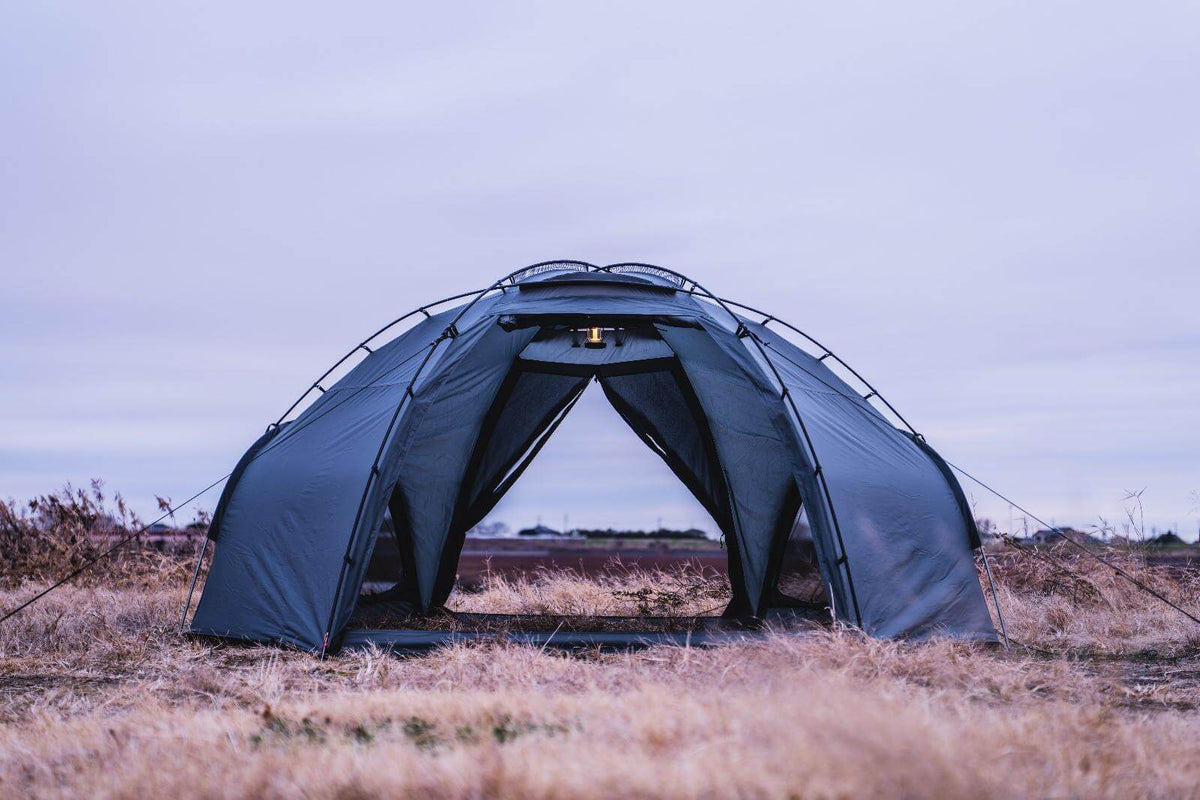
- Dome Tents
"Dome tents" are the most popular choice among campers.
They feature a semi-circular “dome shape” resembling an upside-down bowl or bowl, and since the height from the ceiling to the walls is nearly uniform, they don’t feel cramped.
Additionally, there is no wasted space, allowing you to use the interior efficiently and comfortably. Many models feature a canopy or roof over the entrance, which helps keep rain from getting inside—another major advantage.
They stand on their own without needing stakes, and when packing up, you can flip them over to let the bottom dry.
However, because they require multiple poles, setup can be time-consuming and labor-intensive, making them challenging for beginners. They are also bulky when packed, so you’ll need to ensure you have enough space in your vehicle or for storage.
-Single-Pole Tent
A "single-pole tent" is a triangular tent supported by a single pole at the center of the fabric, with the bottom hem pegged to the ground.
Its cute, pointed triangular shape makes it popular for creating stylish campsites.
Another appeal is how easy it is to set up. Since there is only one pole, it packs down compactly for storage, and its light weight makes it easy to carry.
However, since the center is high and slopes outward, the edges of the tent become dead space, and the usable area for storing gear is limited.
Additionally, because the entrance is angled, rain and wind can easily blow inside.
Since single-pole tents lack a roof over the vestibule or entrance, you’ll likely need to set up a tarp to cover the entrance to keep the interior from getting wet.
- Two-room tent
A “two-room tent” is a tent that creates two distinct spaces: a sleeping area and a vestibule that can be used as a living space.
The appeal lies in the fact that you can enjoy meals and relaxation time in the vestibule while savoring the open-air feeling of being in nature, and then sleep in a warm, protected bedroom—all within a single tent!
However, since it is larger than other tents, setting it up may take some time if you are not used to it.
Also, because it’s heavy when packed, you’ll need to secure enough space in your car or for storage. It’s recommended for camping with families or groups. Using an inner tent in combination with it allows you to create a spacious, private area.
Tip #2: Choose a size that accommodates the number of people using it plus one for added comfort
When choosing a tent, first decide “how many people will be using it for camping.”
While products list the "capacity" (e.g., "for X people"), choosing a tent that accommodates one more person than your group size ensures greater comfort.
For example, if you’re camping with two people, choosing a 3–4-person tent will provide more space and ensure a more comfortable stay.
This is especially true for winter camping, where you’ll have more gear—such as heating equipment and bedding—so a roomier size ensures you have plenty of space to store your belongings.
Tip 3: We recommend “TC fabric” or “cotton fabric”
There are basically three types of tent materials:
Cotton, synthetic fibers (polyester & nylon), and TC (technical cotton)—each has different characteristics.
The best materials for winter camping are cotton and TC fabric.
Cotton
Cotton fabric is characterized by its resistance to heat and fire, as well as its excellent breathability. During winter camping, you’ll likely have a campfire near your tent. Since cotton is highly flame-resistant, it’s less likely to catch fire even if sparks are blown by the wind—a major advantage.
Additionally, its high breathability helps prevent condensation from building up inside the tent.
It has a unique texture that creates a stylish atmosphere, but it becomes heavier when it absorbs moisture from snow or rain.
Another drawback is that it doesn’t dry quickly, so it takes time to air out. It also tends to get dirty easily, requiring more time and effort for maintenance.
TC Fabric (Technical Cotton)
TC fabric is a blend of polyester (Tetron) and cotton. It combines the quick-drying and water-resistant properties of polyester with the flame-retardant and breathable properties of cotton.
You can enjoy a campfire near the tent, and since condensation is less likely to form inside, it’s perfect for winter camping.
While not as much as cotton, compared to tents made of synthetic fibers, they tend to gain weight when they absorb moisture.
Synthetic Fiber Materials (Polyester & Nylon)
Polyester is lightweight, strong, and relatively heat-resistant, but it is prone to condensation, making it unsuitable for winter camping.
Nylon is even lighter than polyester, but it is less heat-resistant and is primarily used for mountaineering tents rather than winter camping.
Since they pack down compactly, choosing a nylon mountaineering tent is a good option for solo or touring camping trips when you want to keep your gear as light as possible.
Point 4: Choose a tent with a skirt
A tent “skirt” is, as the name suggests, a curtain-like fabric attached around the bottom of the tent. There is often a slight gap between the bottom of the tent and the ground, but the skirt prevents cold drafts from blowing into the tent.
It also prevents warm air from escaping through the gap, making it essential for winter camping.
If the tent is designed so that the skirt can be rolled up and secured at the hem, it makes it easy to let in or block out outside air.
Point 5: Tents Compatible with Heating Devices
Heating appliances are essential for comfortable winter camping. While kerosene and gas stoves are available, wood-burning stoves offer the best heating efficiency. Some tents are equipped with a chimney port to vent smoke outside.
For wood-burning stove tents, we recommend materials that are heat-resistant, such as cotton or TC fabric, and styles that can be set up quickly, such as single-pole tents, pop-up tents, or bell-shaped tents (a variation of the single-pole tent).
Also, when using a wood-burning stove inside a tent, you must take great care to prevent carbon monoxide poisoning caused by incomplete combustion. Be sure to choose a product with reliable ventilation features.
Also, check whether the tent has adequate ventilation features, such as easy-to-open entrances, mesh windows, and ventilation vents.
Tent ventilation is also a key consideration when using kerosene or gas stoves.
How to Care for Winter Camping Tents
Winter camping tents get wet from snow, frost, and condensation, so they require careful maintenance after use.
Method 1: Wipe away condensation caused by temperature differences inside the tent
If you notice condensation inside the tent while using it, wipe it away frequently.
Microfiber or polyvinyl alcohol towels are convenient because they absorb moisture quickly. It’s a good idea to hang them inside on a hanger so they’re ready to use.
Method 2: Dry Thoroughly Before Storing
After taking down the tent, don’t pack it away in the storage bag immediately; allow some time for it to dry.
Wipe away any condensation inside, then open the entrance, mesh windows, and vents fully to let air circulate and dry the tent. For dome tents, turn them upside down to dry the bottom as well.
If the weather at the campsite is bad and the tent didn’t dry thoroughly, take it home and hang it in a shaded, well-ventilated spot to dry completely.
TOKYO CRAFTS Tent Lineup
Here are some popular tents from our original camping gear brand, "TOKYO CRAFTS."
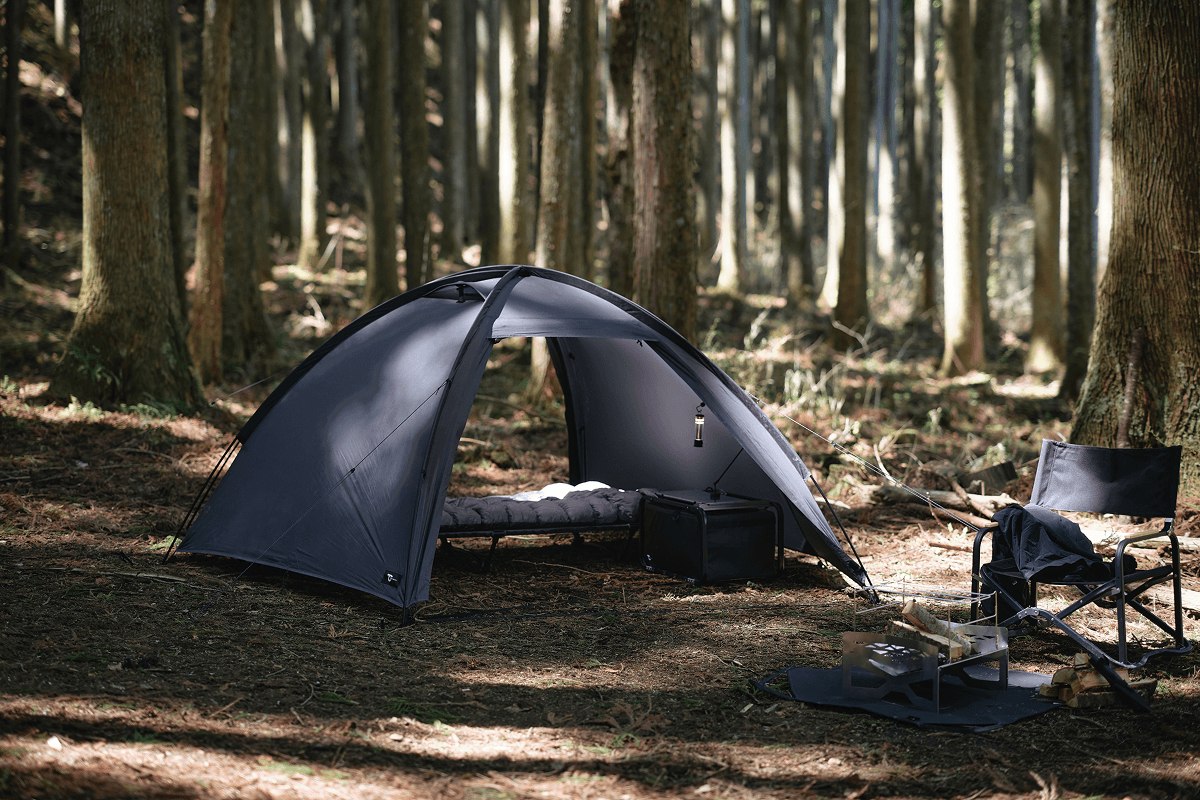
Diafort TC Solo Tent
The Diafort TC Solo Tent features a versatile front panel that allows you to create a layout with an "open-concept living area" and a "well-proportioned sleeping area."
It offers a sense of openness while still ensuring privacy, and the living space is designed to be spacious with no wasted areas.
Thanks to its simple design, one person can set it up alone. It features a roll-up skirt, so you can stay warm even during winter camping.
Montope
The Montope is a two-person tent featuring large windows on the front, sides, and ceiling, creating a sense of openness.
The interior is rectangular, eliminating dead space and creating a spacious environment. It comes with a roll-up skirt to keep out the cold.
With mesh windows on the front, back, sides, and top, ventilation is excellent.
Tenbi Shelter
The Tenbi Shelter is a shelter tent that sets up easily and smoothly. The poles are color-coded, so even beginners can assemble it without getting confused.
The bottom of the tent features a skirt that can be rolled up along the entire length.
Additionally, mesh windows on all sides provide excellent ventilation, helping to prevent condensation. The front is higher than the back, so using the rear as a storage area allows for spacious use of the entire space.
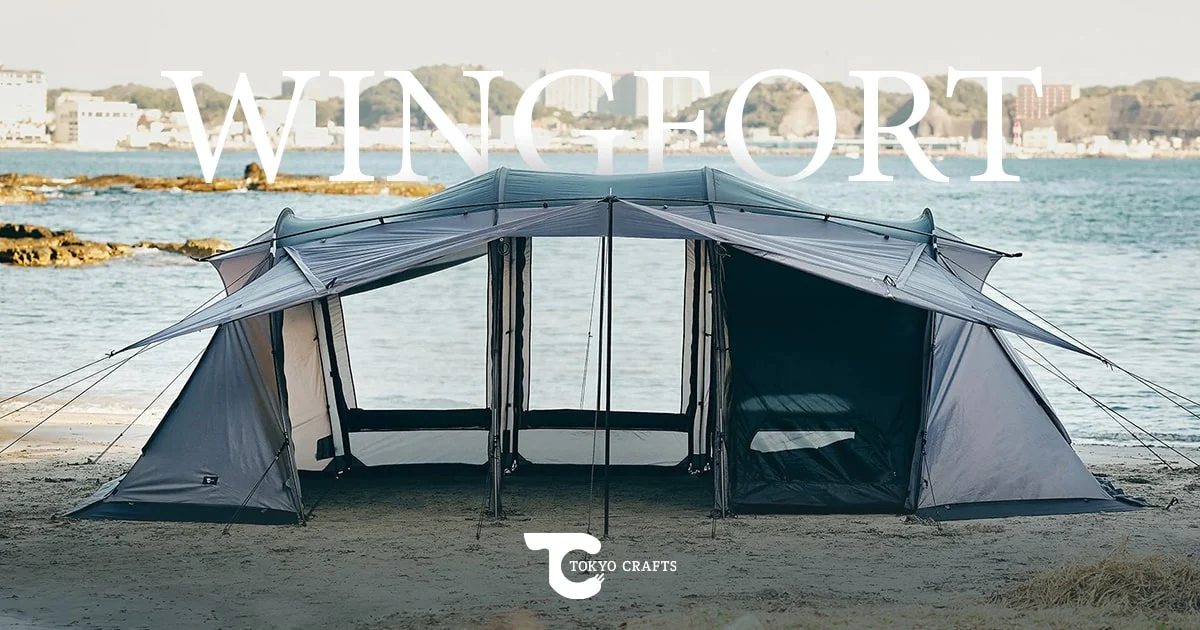
Wing Fort
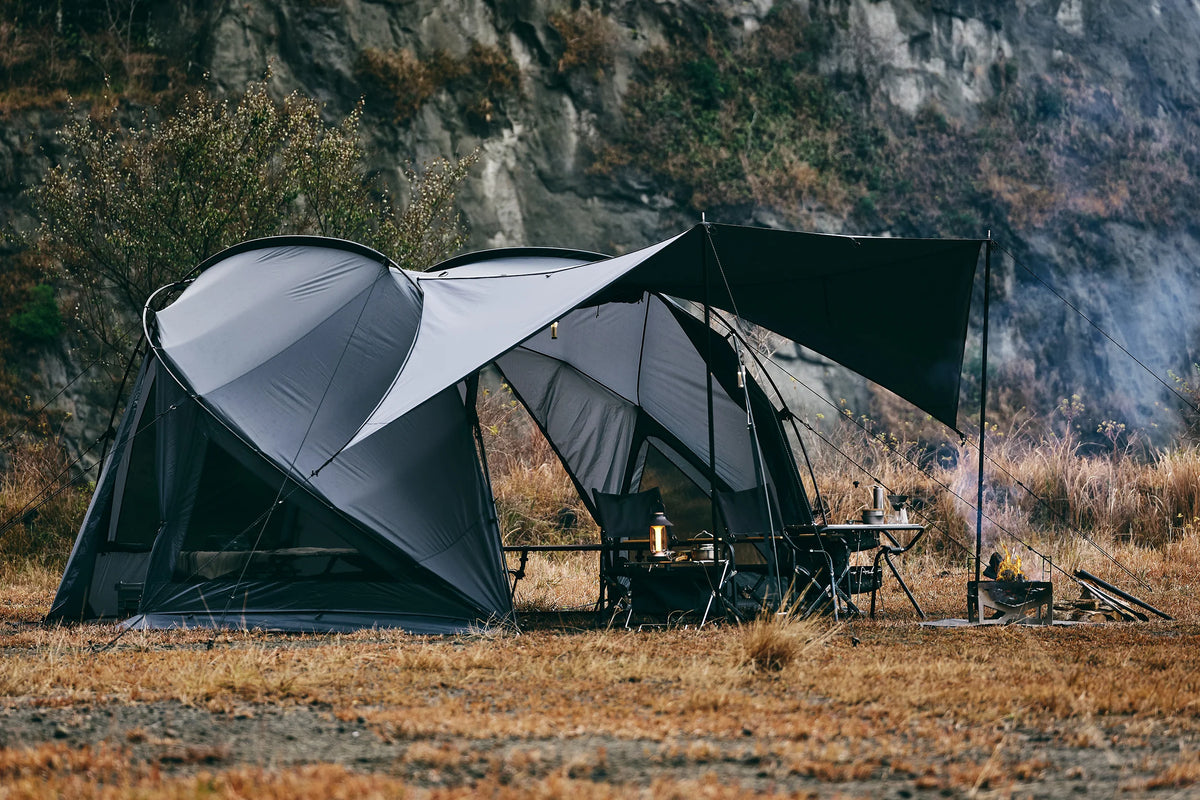
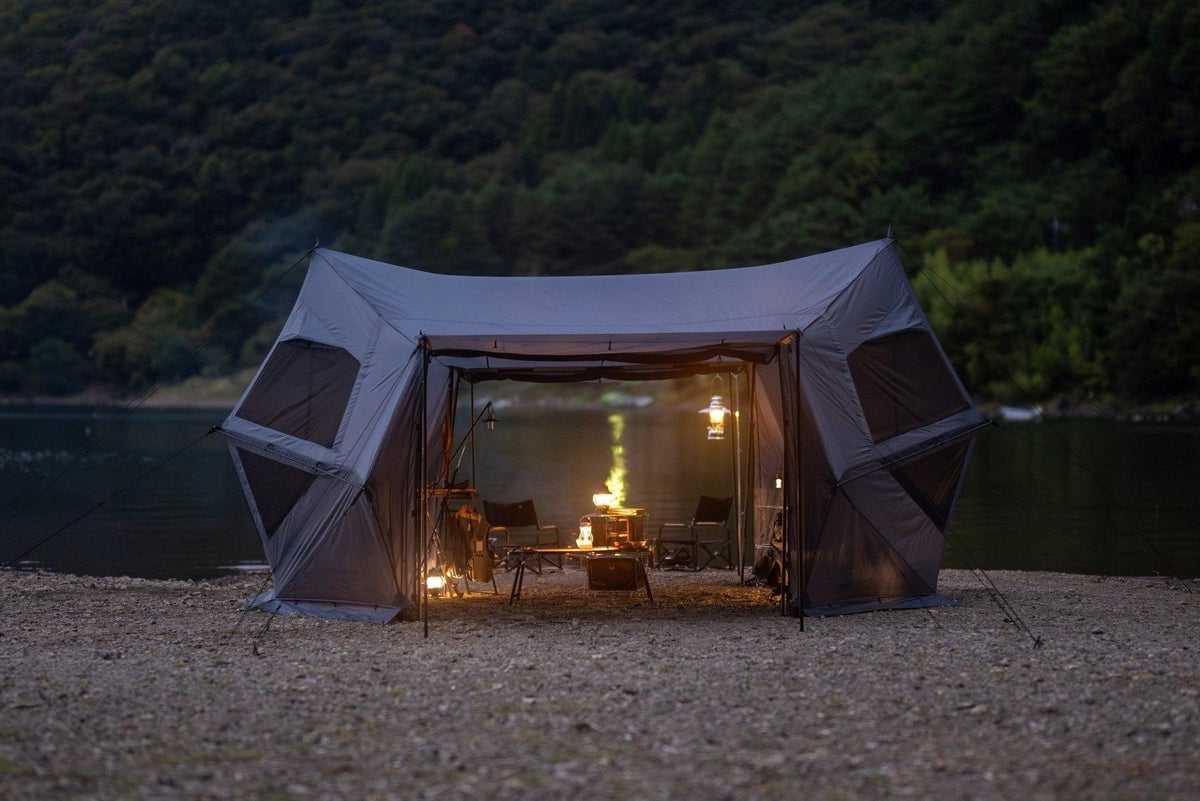
The Wing Fort is a shelter tent that combines the best features of both two-room tents and dome tents.
With the fully waterproof panels raised, you can switch the interior between fully closed, fully open, and mesh modes, allowing for flexible adaptation even during winter camping when the weather is unpredictable.
It features a roll-up skirt and a highly breathable design, constructed from water-resistant materials. It is ideal for groups and families.
Enjoy a comfortable winter camping experience!
Winter camping offers a quieter experience than the peak season, allowing you to enjoy peaceful moments.
Choose a tent that provides a warm and safe space, and enjoy a comfortable winter getaway.
RANKING
ランキング一覧へ
ポイント10%ポイント15% ポイント10%ポイント15%
 ポイント10%ポイント15%
 ポイント10%ポイント15%
 ポイント10%ポイント15%
 ポイント10%ポイント15%
ポイント10%ポイント15%
ポイント10%ポイント15% ポイント10%ポイント15%
 ポイント10%ポイント15%
ポイント10%ポイント15%
ポイント10%ポイント15% ポイント10%ポイント15%
ポイント10%ポイント15%
ポイント10%ポイント15%
ポイント10%ポイント15%
ポイント10%ポイント15% ポイント10%ポイント15%
 ポイント10%ポイント15%
 ポイント10%ポイント15%
ポイント10%ポイント15%
ポイント10%ポイント15%
ポイント10%ポイント15%
ポイント10%ポイント15%
ポイント10%ポイント15%
ポイント10%ポイント15%
ポイント10%ポイント15%
ポイント10%ポイント15%
ポイント10%ポイント15%
ポイント10%ポイント15% ポイント10%ポイント15%
ポイント10%ポイント15%
ポイント10%ポイント15%
ポイント10%ポイント15%
ポイント10%ポイント15%
ポイント10%ポイント15%
ポイント10%ポイント15%
ポイント10%ポイント15%
ポイント10%ポイント15%
ポイント10%ポイント15%
ポイント10%ポイント15%
ポイント10%ポイント15%
ポイント10%ポイント15%
 ポイント10%ポイント15%
 ポイント10%ポイント15%
ポイント10%ポイント15%
ポイント10%ポイント15% ポイント10%ポイント15%
 ポイント10%ポイント15%
 ポイント10%ポイント15%
ポイント10%ポイント15%
ポイント10%ポイント15% ポイント10%ポイント15%
 ポイント10%ポイント15%
 ポイント10%ポイント15%
 ポイント10%ポイント15%
 ポイント10%ポイント15%
 ポイント10%ポイント15%
SEE MORE (その他オススメ商品)
ポイント10%ポイント15% ポイント10%ポイント15%
 ポイント10%ポイント15%